- Chase auroras during dark months (Sep–Mar), watch Kp index and Bz, and stay 3–5+ nights.
- Top bases: Tromsø/Lapland, Iceland, Yukon/Alaska; pick dark, inland spots and rent a car or join tours.
- Budget for flights, cold‑weather gear, tours, insurance; book early around solar maximum.
- Layer for ‑30°C, carry headlamp/extra batteries, know road/wildlife safety, and respect local rules.
- Bring tripod, fast lens/phone night mode; plan with the checklist to maximize clear, dark nights.
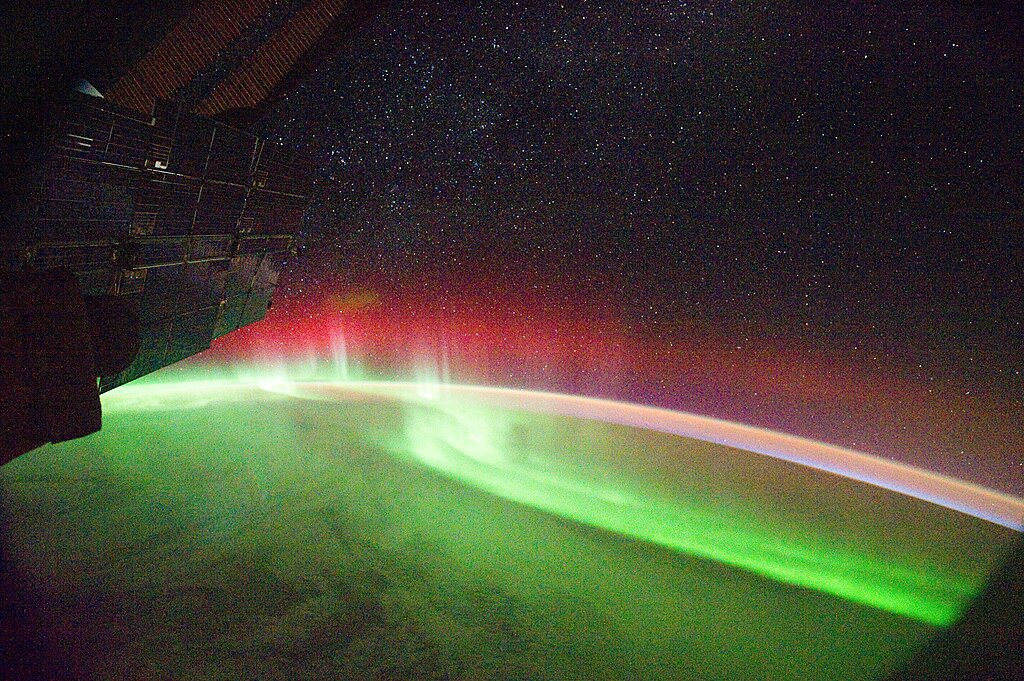
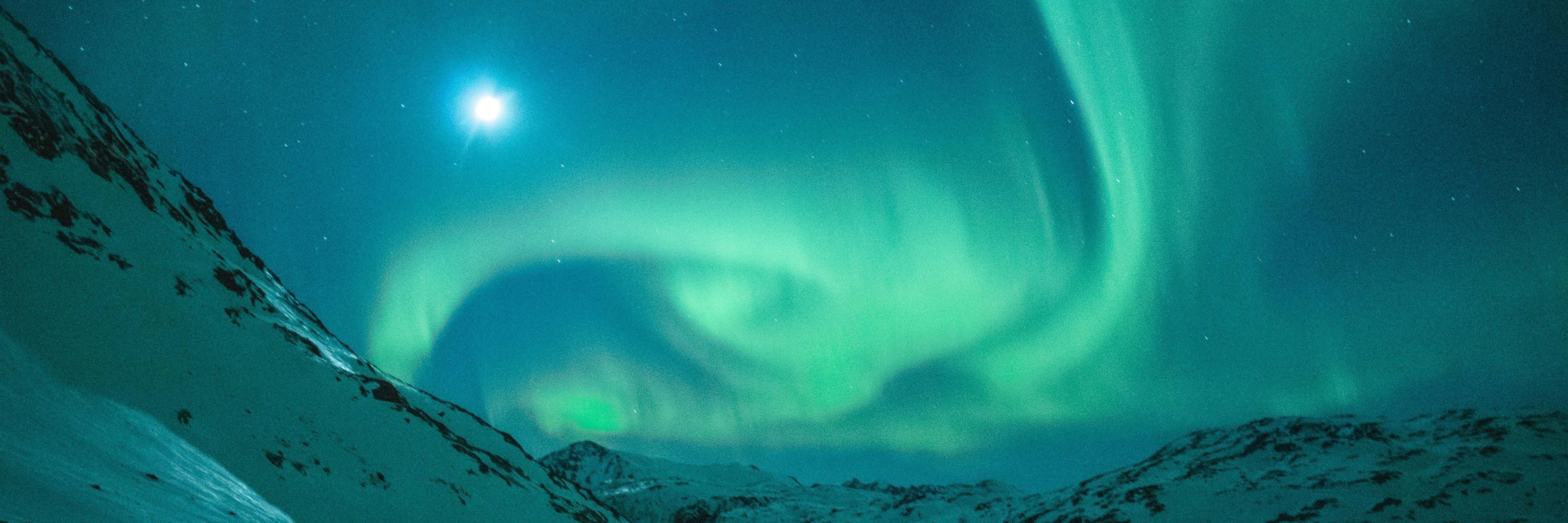
The aurora borealis (Northern Lights) is one of the world’s most awe-inspiring natural spectacles. Charged particles from the sun collide with atoms in Earth’s upper atmosphere, causing curtains of green, purple and red light to ripple across the polar night sky. During the current solar maximum – an 11-year peak in solar activity expected to last into 2025 – displays are more frequent and intense. For a beginner, chasing this phenomenon requires careful research, realistic budgeting and respect for harsh northern environments. This guide walks through each step, from understanding the science to building an itinerary, estimating costs and preparing for cold nights, then concludes with a checklist.
1 Understand the Aurora and Plan for Solar Activity
1.1 What causes auroras and why timing matters
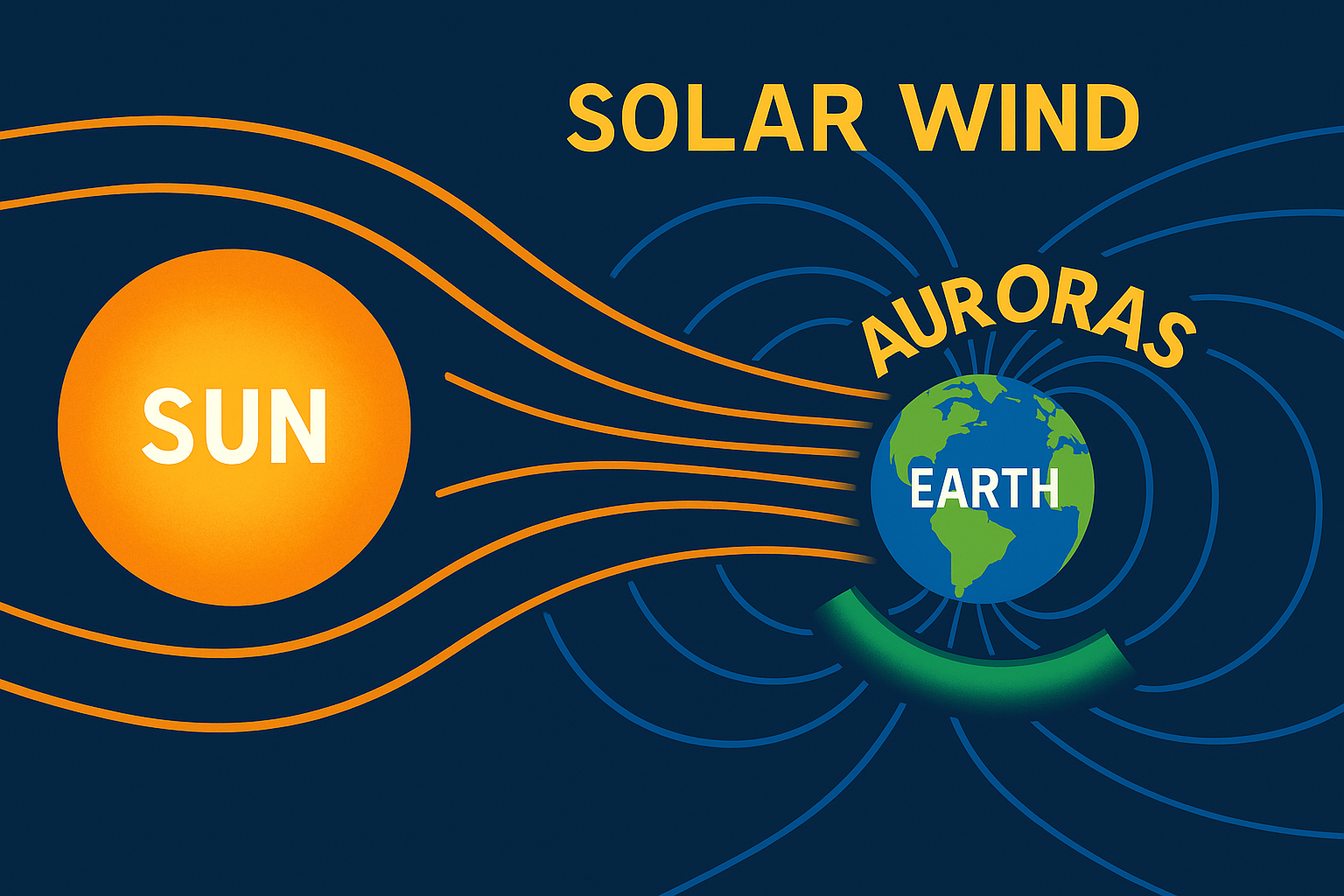
- Auroral mechanism – The sun releases streams of charged particles (solar wind). When these particles are directed toward Earth, they interact with gases in our upper atmosphere, generating shimmering lights around the magnetic poles. Auroras are more frequent during periods of high solar activity such as the solar maximum, when sunspots and magnetic storms increase. Solar Cycle 25 is currently at or near its peak (2024–26), making the coming winters particularly promising.
- Kp index and geomagnetic storms – The geomagnetic Kp index measures disturbances in Earth’s magnetic field. NOAA explains that Kp ranges from 0 to 9; low values (0–2) mean the auroral oval stays near the poles, while higher values expand the oval to lower latitudes. At Kp 6–7, bright aurora may be visible from the northern United States. Checking Kp forecasts (via NOAA’s Aurora Dashboard, the University of Alaska’s auroraforecast.gi.alaska.edu, SpaceWeatherLive or dedicated apps) helps decide whether to head out each night.
- Seasonal and nightly timing – Dark skies are essential. Summer trips fail because high latitudes experience continuous daylight. NOAA recommends traveling around the equinoxes (September–October and February–March), when geomagnetic storms are more frequent and nights are long. The best displays usually occur between 10 p.m. and 2 a.m. local time. Avoid full-moon periods and stay at least three nights to increase your chances.
1.2 Why location matters
Auroras form in an oval around the geomagnetic poles, typically between 60°–70° N. To maximize sightings:
- Travel north – Regions at high latitudes (Alaska, northern Canada, Iceland, Scandinavia) are under the auroral oval. The equatorward edge of the oval moves south by roughly 2° of latitude for each unit increase in Kp. Choose inland areas with clear skies rather than coastal areas prone to clouds.
- Avoid light pollution – Dark, rural locations are vital. Artificial lights and even full moons wash out faint auroras. Many tours drive into remote valleys or mountain plateaus to escape city glow.
2 Choose a Destination and Viewing Base
This section introduces major aurora regions, describing peak seasons, notable viewing sites and typical travel costs. Prices are approximate and may fluctuate with exchange rates and demand; plan for contingencies.
2.1 Scandinavia (Norway, Sweden, Finland)
- Norway – The city of Tromsø (69°N) lies in the heart of the auroral oval and offers easy access to fjords and mountains. The Lofoten Islands and Svalbard archipelago provide wilderness experiences. Norway’s currency (NOK) has weakened recently; according to the official tourism board, the average hotel room in April 2025 cost about NOK 1725 (≈ US $160) per night for two people. Basic cabins at campsites cost around NOK 700 (≈ US $65) per night. Norway belongs to the Schengen Area; travellers from many countries (e.g., US, UK, Canada, Singapore) can visit visa-free for 90 days within any 180-day period. Others require a Schengen visa with documents such as proof of accommodation, travel insurance and funds. From 12 October 2025 the EU will launch an Entry/Exit System (EES) and ETIAS authorization, so check updated entry rules before departure. English is widely spoken and credit cards are accepted; however, rural services may be limited in winter.
- Finland (Lapland) – Lapland’s towns Rovaniemi, Saariselkä and Kilpisjärvi offer glass-igloo hotels and snow-covered forests. A mid-range Finland trip budget (7 nights, shared double room) at ~€120 per night, return flights from Helsinki, activities and food) totalled roughly €1400 per person in a 2025 estimate. Finland is part of Schengen; the same visa rules apply as Norway. Winter temperatures can drop below –30°C, so pack appropriate gear.
- Sweden – Abisko National Park in Swedish Lapland is renowned for its “blue hole,” a micro-climate with clear skies. The nearby town of Kiruna provides tours and the famous Icehotel. Sweden is also in the Schengen area; average hotel costs are comparable to Finland but vary widely. Plan to rent a car or join guided tours because trains and buses may be limited at night.
2.2 Iceland
Iceland combines aurora hunts with dramatic landscapes: black-sand beaches, waterfalls, glacial lagoons and geothermal baths. Reykjavik offers city comforts, while the South Coast, Snæfellsnes Peninsula and North Iceland deliver darker skies. Accommodation costs fluctuate; Arctic Adventures’ 2025 price check found that 4-star hotels near downtown Reykjavik cost about ISK 31,010 – 48,329 (USD $222 – $345) per night. Cheaper hotels and guesthouses ranged USD $122 – 355 per night in shoulder seasons, and hostel beds were roughly USD $107 – 156. Guided Northern Lights tours from Reykjavik cost about $50–200 per person, with large bus tours on the lower end and small-group super-jeep tours on the higher end. Iceland is in the Schengen area; travellers must meet the same visa and ETIAS requirements as Norway.
2.3 Canada (Yukon, Northwest Territories) and Alaska
- Canadian North – Whitehorse (Yukon) and Yellowknife (Northwest Territories) boast frequent auroras and minimal light pollution. Canada requires most foreign travellers to obtain either a visitor visa or an Electronic Travel Authorization (eTA). An eTA costs CAD $7, is linked to your passport and allows multiple short stays for up to six months; U.S. citizens are exempt but must carry a valid passport. Winter travel often involves flights via Vancouver or Calgary; book early to secure seats. Average hotel prices in Whitehorse or Yellowknife range from US $150–250 per night; hostels and guesthouses are cheaper.
- Alaska (USA) – Fairbanks is the most accessible base; interior Alaska has clear skies and is under the auroral oval. The Aurora Borealis Lodge near Fairbanks offers guided evening tours (August 20 – April 15) at $105–115 per adult including transport from local hotels. A self-drive option costs $45 per person plus rental car. North of Fairbanks, villages like Coldfoot and Wiseman provide rustic lodging and dark skies, but amenities are limited. International travellers should verify U.S. visa requirements (e.g., ESTA for visa-waiver countries); Canadian or European travellers may need additional documentation.
3 Determine Timing, Duration and Itinerary
3.1 Length of stay
Because auroras are unpredictable, aim for at least three to five nights in your chosen destination. A longer stay increases the chance of clear skies and high geomagnetic activity. Many tour packages include multiple night excursions and offer a “second-chance” guarantee if no aurora appears.
3.2 Suggested itinerary (example: 5-day trip)
| Day | Suggested activities (adapt to your destination) |
|---|---|
| Day 1 | Arrive and acclimate. Check into your base accommodation. Attend an orientation or visit a local museum (e.g., Tromsø’s Polar Museum or Reykjavik’s Aurora Reykjavik center). Rest early to adjust to time differences. |
| Day 2 | Daytime: explore nearby attractions (dog sledding, ice hotel visit, geothermal baths or fjord cruise). Night: join a guided aurora hunt or drive to a dark-sky location. |
| Day 3 | Daytime: cultural experiences such as indigenous Sámi reindeer farm visits, snowmobiling or visiting UNESCO sites. Night: second aurora excursion; monitor Kp forecasts and moon phase. |
| Day 4 | Free day for optional activities (ice fishing, glacier hiking) or rest. Keep evenings flexible to chase the aurora if conditions improve. |
| Day 5 | Depart; allow extra time for winter travel delays. Before leaving, buy souvenirs and reflect on your aurora experience. |
A longer journey (7–10 days) allows you to visit multiple locations (e.g., combining Reykjavik with Akureyri or Tromsø with Lofoten). Consider adding time at the beginning to recover from jet lag and at the end in case weather postpones excursions.
4 Budgeting and Cost Breakdown
Aurora-hunting trips range from budget to luxury. The following estimates (per person unless noted) help you plan. All amounts are in 2025 US dollars or euro equivalents, converted where possible.
| Category | Typical cost range | Notes |
|---|---|---|
| Flights | Varies widely; budget US $500–1200 return from North America to Scandinavia or Alaska; US $400–800 within Europe; flights from Singapore or Australia can exceed US $1500. | Book 3–6 months ahead for better fares; watch for solar-maximum demand in 2025. |
| Accommodation | Scandinavia: hotels average US $160 per night for two; cabins/guesthouses can be US $65–120; Iceland: 3–4 star hotels USD $222–345 per night; mid-range houses USD $122–355; hostel beds USD $107–156; guesthouses US $95–118; Alaska/Canadian North: hotels US $150–250 per night; basic lodges or hostels from US $80. | |
| Aurora tours | Iceland: large bus tours $50–90; small-group minibus tours $90–150; super-jeep or private tours $150–500+. Alaska: guided lodge tour $105–115 per adult, children $65; self-drive tour $45 per person. Canada: similar range ($100–150) for guided tours. | |
| Transport | Rental cars: expect US $105–347 per day for a two-berth campervan in Iceland; winter tyres and AWD are essential. Public buses/trains are economical but schedules may be limited at night. Organized tours often include transport. | |
| Activities and excursions | Huskies, snowmobiling, ice cave tours, visits to ice hotels or glass igloos can cost US $50–200 each. Consider multi-activity packages. | |
| Food and supplies | Scandinavia and Iceland have high living costs. Budget US $30–50 per day for self-catering (grocery stores) or US $50–100 per day for restaurant meals. Cooking in cabins or hostels saves money. | |
| Travel insurance | Travel insurance typically costs 5–7% of your total trip cost. | Ensure it covers medical evacuation, trip cancellation and expensive photography gear. For Schengen visas, insurance is mandatory. |
| Visas/entry permits | Schengen visa fees ~€80 for adults; eTA for Canada costs CAD $7. ESTA for the U.S. costs US $21 (as of 2025). |
Always budget extra for unexpected expenses, such as rebooking tours due to bad weather or purchasing emergency clothing.
5 Preparing for Extreme Weather and Health
5.1 Layering and clothing
Arctic nights can plunge below –30°C. Frostbite (numbness, skin discoloration) and hypothermia (dangerously low core temperature) are serious risks. Wear moisture-wicking merino wool base layers; avoid cotton, which absorbs sweat. Add insulating mid-layers (fleece or down jackets) and a waterproof, windproof parka. Waterproof pants and insulated hiking boots with good traction prevent slipping on ice. Use layered gloves or mittens, wool socks, a beanie and a neck gaiter. Bring crampons or ice grips for walking on icy surfaces.
Hand warmers, chemical toe warmers and thermos bottles make waiting outside more comfortable. Always carry spare batteries; cold drains battery power quickly. A headlamp with red light helps navigate in the dark without spoiling night vision.
5.2 Health and safety considerations
- Pre-trip consultation – Consult your doctor, especially if you have chronic illnesses. Doctors note that aurora travel involves extreme cold, limited daylight, remoteness (hours from hospitals), dietary changes and possible motion sickness. Update vaccines and discuss altitude sickness for mountain trips.
- Stay warm and dry – Hypothermia can develop when your body loses heat faster than it produces it. Wear multiple layers, cover head and extremities and keep clothing dry. Avoid alcohol, which accelerates heat loss.
- Avoid driving fatigue – If self-driving, ensure you’re comfortable with winter driving on snow/ice and equip your vehicle with winter tyres, chains and emergency supplies. Check road and weather reports daily.
- Safety in remote areas – Travel with a guide or inform someone of your plans. Carry a GPS/phone with offline maps and a first aid kit. In Alaska and Canada, be aware of wildlife (moose, bears) and abide by local safety rules.
6 Photography and Equipment Tips
Capturing auroras requires stable cameras and manual settings. Suggested basics for beginners:
- Tripod – Essential for stabilizing long exposures. A remote shutter release reduces camera shake.
- Camera settings – Use a fast lens (aperture f/1.4–f/4). Set ISO 800–3200 and a shutter speed of ~1–15 seconds; adjust shorter exposures if the aurora moves quickly. Use manual focus on distant stars or infinity.
- Smartphones – Many phones now have night or astrophotography modes. Mount the phone on a tripod and use a remote timer; increase exposure time manually if possible. Bring external batteries or power banks; cold drains phone batteries.
- Practice – Test your equipment at home. Learn to adjust settings without light. Have extra memory cards and keep camera batteries warm in inner pockets.
7 Logistics: Visas, Insurance, Money and Culture
- Visas and entry – Check whether your nationality allows visa-free travel. For Schengen countries (Norway, Sweden, Finland and Iceland), citizens of the US, UK, Canada, Australia, New Zealand, Singapore and others can visit for up to 90 days in any 180-day period. Others need to apply for a Schengen short-stay visa; required documents include a valid passport, passport photos, accommodation proof, travel insurance and proof of funds. An eTA is required for visa-exempt travellers flying to Canada and costs CAD $7. The U.S. Visa Waiver Programme (ESTA) is required for eligible nationalities visiting Alaska.
- Travel insurance – Comprehensive coverage is strongly recommended. Choose a policy that covers trip cancellation, medical evacuation, winter sports accidents and expensive camera equipment. Travel Guard notes that insurance typically costs 5–7% of the trip cost. For Schengen visas, insurance is mandatory.
- Currency and payments – Norway (NOK), Sweden (SEK), Iceland (ISK), Finland (euro), Canada (CAD) and the U.S. (USD) all accept credit cards widely. Carry some cash for remote areas. Check exchange rates; the Norwegian krone and Icelandic krona were historically weak in 2024–25.
- Language and culture – English is commonly spoken in tourist areas. Learn a few local greetings and respect indigenous cultures (e.g., Sámi in Scandinavia, First Nations in Canada, Alaska Natives). Follow Leave No Trace principles; do not disturb wildlife, damage tundra or litter. Respect private property and local regulations.
8 Sustainability and Responsible Travel
Aurora tourism brings income to remote communities but can strain fragile environments. Choose tour operators that follow sustainability guidelines, support local businesses and limit group sizes. Stay on marked trails, avoid stepping on lichen and tundra, and pack out all waste. In Iceland and Norway, geothermal and hydropower resources provide renewable energy; support eco-friendly lodging and offset your carbon footprint.
9 Beginner’s Checklist
- Research & Planning
- Determine preferred destinations (Scandinavia, Iceland, Alaska, Canada).
- Identify best travel window (September–March; avoid full moon and summer daylight).
- Monitor solar activity forecasts (NOAA Kp index, space-weather apps).
- Check visa or eTA requirements; apply at least four weeks before travel.
- Obtain comprehensive travel insurance (5–7% of trip cost).
- Budget & Booking
- Set total budget; include flights, accommodation, tours, activities, food, transport, travel insurance and gear.
- Reserve flights 3–6 months ahead; look for deals around the solar maximum.
- Book accommodation early, especially glass-igloo hotels or unique lodges (they sell out months ahead).
- Book aurora tours; verify cancellation policies and whether re-attempts are offered.
- Gear & Clothing
- Warm layers: merino wool base, fleece/down mid-layer, insulated parka.
- Waterproof pants and insulated boots; crampons or ice grips.
- Accessories: hats, scarf, gloves/mittens, wool socks, hand and toe warmers.
- Camera/tripod; remote shutter, extra batteries; headlamp; spare memory cards.
- Personal items: medications, thermos, reusable water bottle, snacks, power bank, first aid kit.
- Health & Safety
- Consult a doctor; update vaccinations; discuss chronic conditions.
- Inform someone of your itinerary; have local emergency numbers and know the location of nearest clinic.
- Learn basic winter driving skills if renting a car; pack emergency supplies (blanket, shovel, jumper cables, ice scraper).
- During the Trip
- Check daily weather and aurora forecasts; adjust plans accordingly.
- Stay hydrated and well-fed; avoid alcohol before aurora hunting.
- Layer up and bring hot drinks; limit time outdoors in extreme cold.
- Respect local communities and environments; follow guide instructions; don’t trespass.
- Enjoy daytime activities; balance rest with excursions to avoid fatigue.
Conclusion: Witnessing the aurora borealis is a bucket-list experience that rewards patience and preparation. Understanding the science of solar storms, selecting the right destination and season, budgeting for flights, lodging and tours, and preparing for Arctic weather will help turn a dream into reality. Above all, respect the natural environment and local cultures that make aurora regions special. With careful planning and an adventurous spirit, even a beginner can stand beneath the dancing lights and feel the magic of Earth’s connection to the sun.